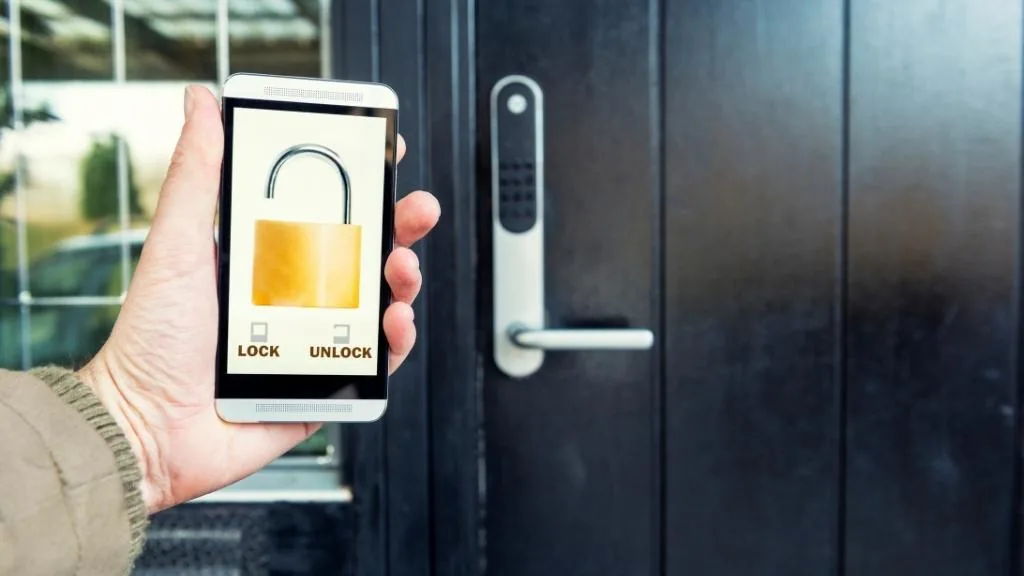
This is different from the general "which should I buy" question we cover in our smart lock vs. deadbolt comparison. Here we're focused specifically on the security question: can these things actually be beaten, and how?
The Two Kinds of "Safe"
Smart lock security has two separate layers: the physical hardware (is the underlying deadbolt mechanism bump or pick resistant?) and the digital layer (can the electronic access be bypassed or intercepted?). A lock can be strong in one and weak in the other.
Can Smart Locks Be Hacked?
It depends heavily on the connection type. Bluetooth-only locks have a limited attack range, someone needs to be physically nearby. WiFi-connected locks carry more exposure since they're reachable over the internet. Look for locks that use rolling encrypted codes (not a static signal that can be recorded and replayed) and that receive regular firmware security updates from the manufacturer.
What Happens When the Battery Dies?
Quality smart locks account for this: most include either a physical key override cylinder or an external 9-volt battery terminal that lets you jump-start the lock from outside. Always keep a backup keyed method, and never rely on a smart lock with no physical override at all.
Reputable Brands Actually Get Tested
Look for the same ANSI/BHMA grading system used on traditional deadbolts, plus a manufacturer that publishes its security testing and update history. This is a meaningful signal of whether a company takes the digital side seriously.
Our Honest Take
A well-reviewed smart lock from an established brand is roughly as safe as a quality traditional deadbolt, arguably safer in some respects since it can log entry attempts. The real risk sits with cheap, no-name smart locks that skip encryption and firmware updates entirely.
Considering a smart lock upgrade? See our smart locks service page or call 818-249-5128 for a recommendation based on your specific doors.