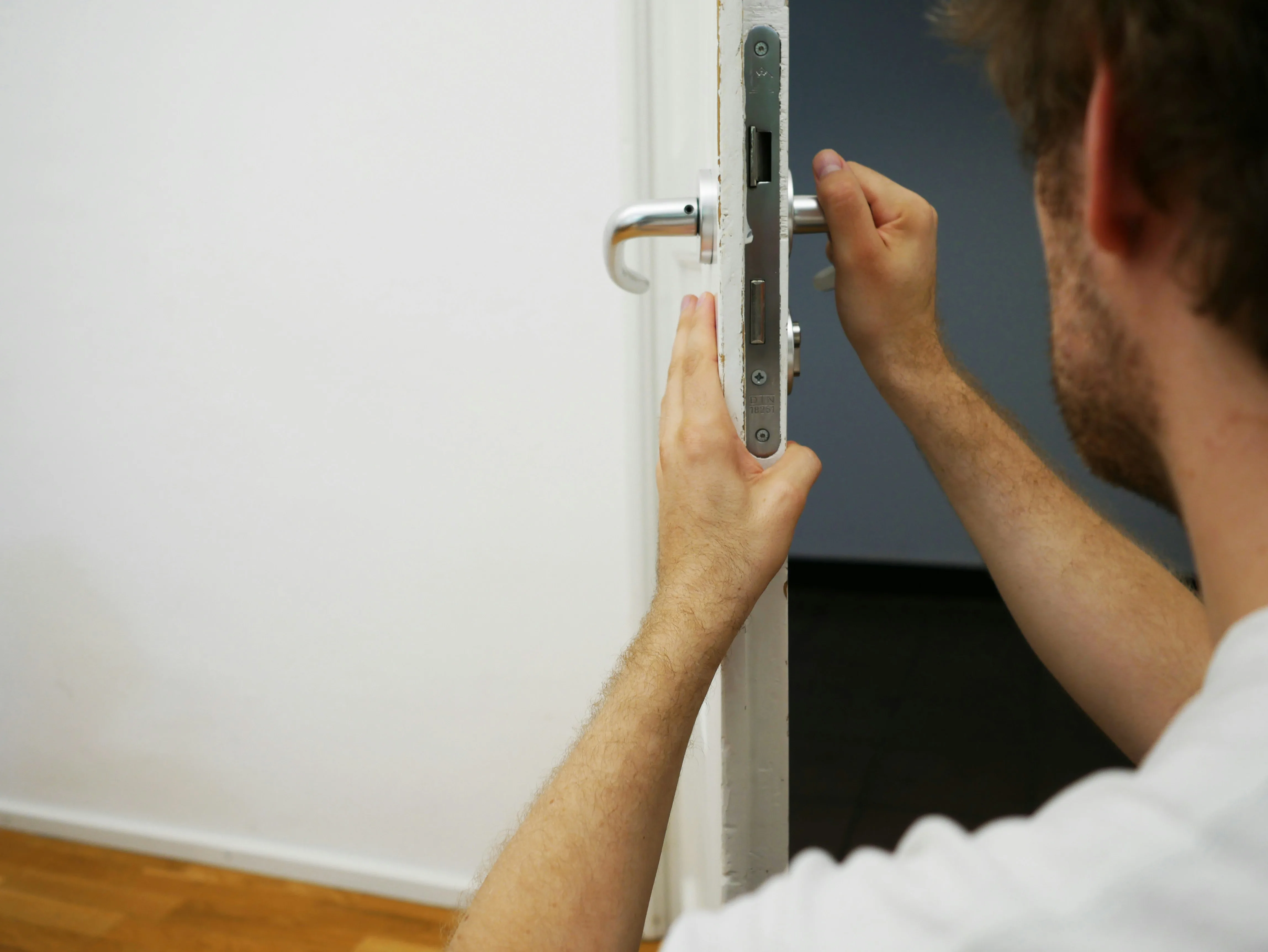
A lock that suddenly stops working almost always has a specific, findable cause. Here are the ones we see most often on service calls, and if you want the symptom-side checklist instead, see our signs your lock needs replacement guide.
1. Weather and Corrosion
Moisture and salt air gradually corrode internal springs and pins, especially in coastal-adjacent neighborhoods. See the local climate notes in our how often to change your home locks guide.
2. Worn Internal Pins and Springs
Years of daily use wears down internal tolerances, especially on cheaper hardware. See why cheap locks can cost you more for why this happens faster on budget locks.
3. Foreign Debris in the Keyway
Dirt, lint, and even fragments from a previously broken key can jam a cylinder's internal mechanism over time.
4. Improper Installation
A misaligned strike plate, or a door that's settled and shifted on its hinges over the years, can throw off bolt alignment even when the lock itself is perfectly healthy.
5. A Failed Break-In Attempt
Bumping or picking attempts, even unsuccessful ones, can damage pins and springs internally. See our lock bumping explainer for how this works.
6. Simple Age
Every mechanical lock has a working lifespan. See how often you should change your home locks for a realistic timeline.
How to Tell the Difference
If you're noticing early symptoms rather than a full failure, our signs your lock needs replacement checklist walks through exactly what to watch for before it fails completely.
Lock acting up? We diagnose the actual cause on-site rather than guessing. Call 818-249-5128.