Deadbolt shopping gets confusing fast once you look past the basic options. Here's what each type actually is, and when it's the right call. For overall lock category basics, see our types of residential locks explainer.
Single-Cylinder Deadbolt
Keyhole outside, thumbturn inside. The standard choice for most exterior doors, and generally what's required on fire-egress paths.
Double-Cylinder Deadbolt
Requires a key on both sides, no interior thumbturn. Useful for doors with glass panels nearby, but restricted on many egress doors for fire safety reasons, always check local code before installing one.
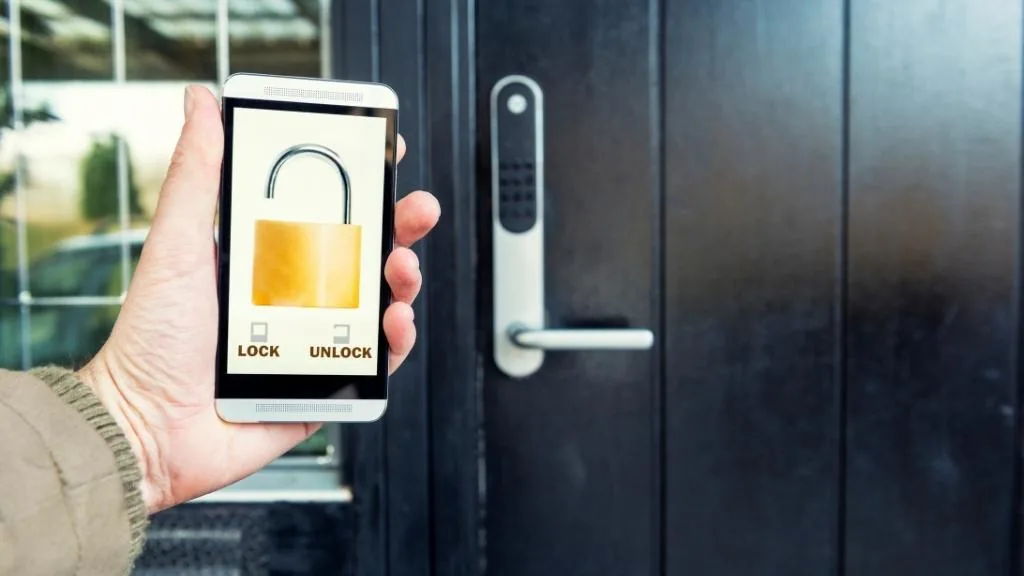
Keyless (Electronic) Deadbolt
Keypad, app, or biometric entry instead of a physical key. See are smart locks really safe? for the security considerations.
Vertical (Jimmy-Proof) Deadbolt
Mounted on the surface of the door rather than bored through it, with an interlocking vertical bolt design. Common on older apartment doors in dense urban buildings, highly resistant to prying since the bolt doesn't rely on the door frame alone.
High-Security Deadbolts
UL 437-rated cylinders with restricted keyways and hardened anti-drill components. See our high-security locks explainer.
Which One Do You Need?
For most homes, a single-cylinder Grade 1 deadbolt is the right default. See our best deadbolts for California homes guide for specific picks.
Not sure which type is already on your door, or which you should upgrade to? Call 818-249-5128.